Daily Eating Disorder Recovery Tools: How a Coach Bridges the Gap Between Therapy
There’s so much I could say about how a recovery coach can help bridge the gap for clients struggling with eating disorders. Whether someone is seeing a therapist, working with a dietitian, or even participating in an IOP (intensive outpatient program), there’s often a space in between where clients still need support. Real, personal, in-the-moment support.
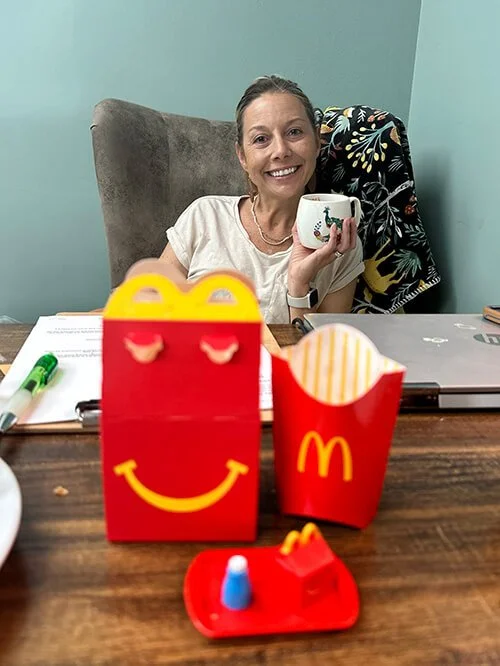
That’s exactly where coaching comes in.
As a recovery coach, I don’t replace therapy or nutrition counseling — I complement them. My focus isn’t on diagnoses, meal plans, or weight. My focus is the person — who they are, what they’re facing, and how they want to move forward (or even whether they feel ready to).
Everyone’s relationship with food and body is complex, layered, and deeply individual. Their eating disorder is too. Coaching gives space for that complexity — a space where the client doesn’t have to sit in it alone.
Recovery Coaching Is About the Human Behind the Struggle
Eating disorders aren’t one-size-fits-all. Some clients deal with restriction, others with binge-purge cycles, emotional eating, compulsive exercise, and most often a combination of these with some rituals around food to go with it. Underneath these behaviors is a person — one who often feels isolated, misunderstood, or unsure how to move forward.
As a recovery coach, I offer a space that isn’t about fixing or labeling — but about being with the client, side by side. My job is to help them strengthen their sense of self, reconnect with their values, and build the tools they need to feel more grounded and empowered — not just in sessions, but in daily life.
Let’s talk about everyone's favorite activity: Meals
Meal support with a coach is a unique experience. Unlike meal times with a therapist or dietitian — where there can sometimes be a pressure to “perform” or “get it right” — coaching offers a more “relaxed”, yet still emotionally attuned space. The client can show up exactly as they are: struggling, anxious, unsure… and it’s okay.
Sometimes, that means practicing distraction techniques — like having a light conversation while eating to take the edge off anxiety. Other times, it’s about gently walking through fears and behaviors in real time, such as:
Noticing food rituals and beginning to challenge them
Naming disordered thoughts as they arise
Staying grounded in the present moment, not spiraling into fear or shame
What makes this powerful is that the client isn’t alone in these moments — they’re learning to cope and choose recovery even when it’s hard.
Everyone needs a Tool Box
A big part of coaching is helping clients apply tools they’ve learned in therapy or elsewhere; because knowing a skill is one thing, but using it in real time? That takes practice and support.
Here are just a few tools I work on with clients in daily recovery:
Reframing
When eating disorder thoughts create a loop of fear or shame, we work on changing the story.
“This meal is too much” becomes “This meal is nourishment — and fear doesn’t mean danger.”
Nervous System Regulation
Using grounding tools like:
Cold objects (ice packs, frozen oranges)
Breathing techniques
The 5-4-3-2-1 sensory technique
These help bring clients out of the spiral and into the now.
Cognitive Reappraisal
We challenge distorted thoughts — not with force, but with curiosity:
Is this thought true? Helpful? Can another story also be true?
Mindfulness & Body Awareness
Connecting with hunger/fullness cues, noticing physical sensations, and learning to interpret them without judgment.
Opposite Action
When an urge comes up (to restrict, binge, avoid), we practice doing the opposite — one small step at a time. This means in that moment, finishing a component of the meal to start with, or maybe instead of cutting up the pizza, picking up one piece to eat it.
Flexibility with Food
Trying new foods, breaking out of “safe food” rules, and learning to tolerate the discomfort that comes with growth.
Is Recovery Really That Hard?
YES - you’re not imagining it. Some days are harder than others. Some meals feel like a mountain. That’s okay.
As a coach, I’m not here to tell clients what to do or how to eat (but I might make some strong suggestions ) — I’m here to remind them of who they are underneath the eating disorder. I’m here to support their bravery when they take a bite. To sit with them when they feel like they can’t. To gently guide when fear starts to speak louder than truth.
And to celebrate every single win — because every small step is a big deal in recovery.
Bridging the Gap
Therapy helps clients unpack the why. Dietitians help build the how. Coaching is the space in between — the messy, beautiful, real-time work of practicing recovery.
It’s a space where the client’s voice matters. Where their fears are seen. Where their strengths are spotlighted. And where they’re reminded, again and again, that they are not alone.
Because healing happens not just in the big moments — but in the daily, ordinary, brave choices to keep going.

Deborah Hinds, NDTR is an Eating Disorder Recovery Coach in Crestwood, MO and works virtually with clients around the world. She has over 30 years’ experience working with Eating Disorders across all levels of care. Deborah’s playful spirit and deep compassion set her apart as a standout clinician in the field.