
When the People Who Love You Are Making Recovery Harder
Recovery is hard. Recovery inside a family that doesn't quite get it? Even harder. A St. Louis eating disorder dietitian shares what actually helps.
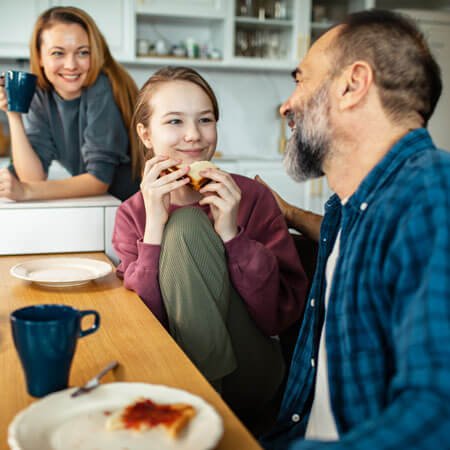
Supporting Healthy Body Image in Children and Teens
Maybe it started with an offhand comment ("I look so fat in this") tossed out before school, or a sudden refusal to wear last year's favorite shorts. Or, maybe your child hasn’t said anything out loud, but you worry how their changing body might be weighing on their mind.
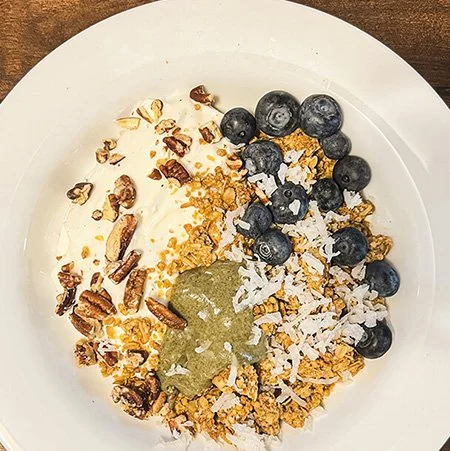
5 Fertility-Friendly Breakfast Recipes for Busy Mornings
Explore five quick, fertility-friendly breakfast recipes packed with choline, omega-3s, and antioxidants to nourish your body on even the busiest mornings.
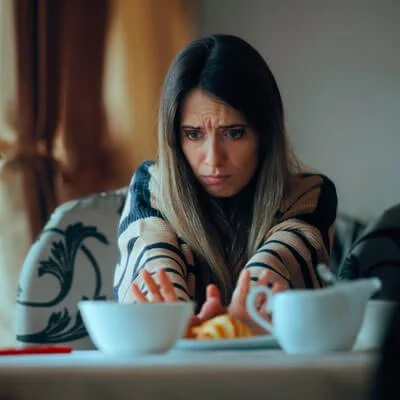
When Family Makes Eating Disorder Recovery Harder (And What to Do About It)
Eating disorder recovery is hard enough. Here's what to do when family comments keep making it harder, and you can't change the people around you.

RED-S in Athletes: Signs of Underfueling, Symptoms to Watch For, and How to Recover
Relative Energy Deficiency in Sports (RED-S) is a serious, yet often overlooked, condition impacting athletes and non-athletes alike. As our body works to support exercise, our nutrient needs increase. Without changing our daily food intake to match these additional needs, we unfortunately can fall short of feeding our body what it requires to survive and thrive.

Self-Compassion in Eating Disorder Recovery: How to Quiet the Critical Voice
Anyone who has struggled with an eating disorder knows the voice of self-criticism well. It shows up after eating. Or even just thinking about eating. It shows up when you look in the mirror, at your reflection, or a photo. It shows up after what you call a “bad” recovery day.
And when it does, it’s loud, relentless.

Why Do I Miss My Eating Disorder If It Hurt Me?
If you’ve ever caught yourself missing your eating disorder (and then immediately shamed yourself for it)… pause. Take a breath. You are not incapable. You are not weak. You are not “bad at recovery.”
You are human.

Constipation in Pregnancy: What's the Holdup?
Congratulations! You got your BFP and are coasting into the beginning of your first trimester. You have been warned about fatigue, breast tenderness, and nausea starting soon, but no one warned you about another, possibly very uncomfortable symptom in early pregnancy - significant constipation.
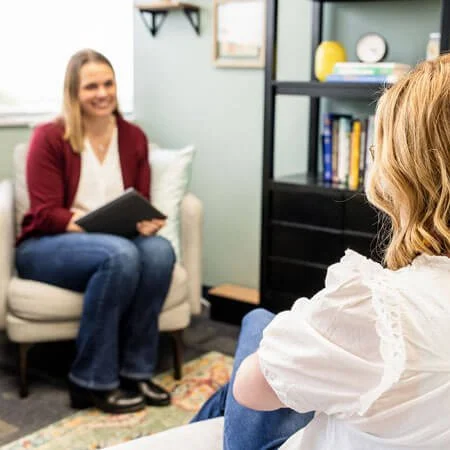
How Do I Know If My Eating Issues Are Serious Enough to Get Help?
If you’re asking this question, something is already bothering you.
Most people don’t Google this on a random Tuesday because everything feels fine.

Grocery Shopping Strategies for Recovery and Beyond
For many people, grocery shopping is inconvenient or boring. For others - especially those living with anxiety or eating disorders - it can feel overwhelming, triggering, or even impossible.

How a Fertility Dietitian Can Improve Your IVF Success Rates
Support from Cameron Sisler - Fertility Dietitian in St. Louis - will come in 3 distinct phases when you are navigating IVF to grow your family. Already involved with IVF? No problem - we can jump in at whatever point you are in your journey.
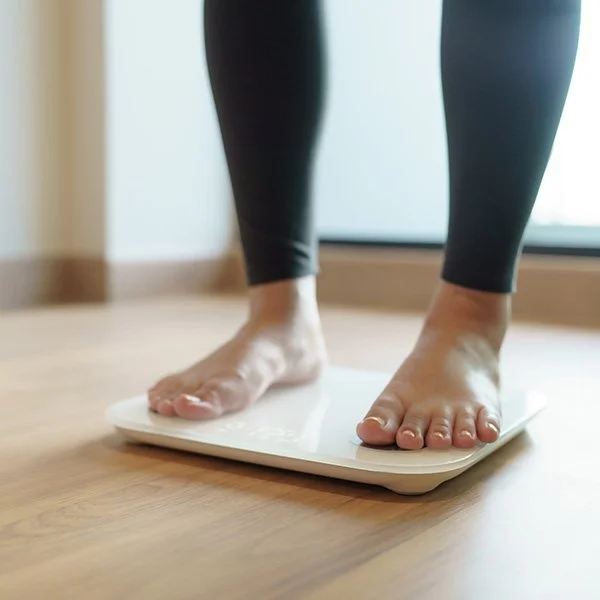
Why Does the Scale Mess With My Head So Much?
For most people we work with, the scale doesn’t necessarily feel like a relationship. It’s just… there. Part of life. Part of the bathroom. Part of the required routine.
And yet, for some people, if they really evaluated it, it’s an extremely abusive relationship.
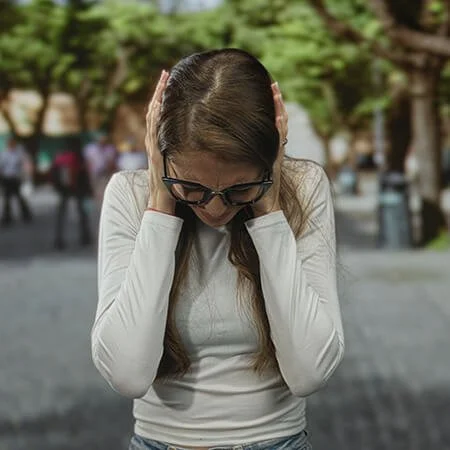
4 Ways to Quiet Food Noise
I wish I could give you a simple, black-and-white plan that, once followed, would magically make the food noise in your head disappear.
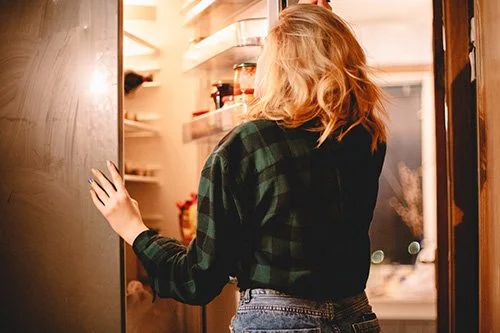
Why Is Eating So Hard, Even When I Know I Need To?
Choosing whether to eat and what to eat feels hard for many people in recovery. Learn why anxiety, nervous system stress, and decision overload can block nourishment—and how an eating disorder dietitian in St. Louis can help rebuild safety and trust with food.
Glycemic Index & Glycemic Load
A new diagnosis of PCOS, and all of the diet and lifestyle recommendations that come with it, can feel incredibly overwhelming. Not to mention the amount of information from doctors, influencers, and well meaning “experts” can further add to the confusion.

When Growth Charts Tell a Different Story
When it comes to malnutrition in children, many believe that it’s something that appears obvious - dramatic or visible weight loss, a child who “looks thin”, or a sudden decrease in food intake. In reality, malnutrition in children can be much more subtle and come without significant warning signs…
Daily Eating Disorder Recovery Tools: How a Coach Bridges the Gap Between Therapy
There’s so much I could say about how a recovery coach can help bridge the gap for clients struggling with eating disorders. Whether someone is seeing a therapist, working with a dietitian, or even participating in IOP, there’s often a space in between where clients still need support. Real, personal, in-the-moment support.
And that’s where coaching comes in.

If I’m Not Losing Weight When I’m Hardly Eating… Won’t I Gain a Ton if I Eat Normally?
Clients often tell me something like:
“I barely eat anything and my weight doesn’t go down. So if I start eating… won’t I just blow up? Won’t it all spiral out of control?”
It’s a completely understandable fear. And it’s also incredibly confusing.
Eating Disorders Are Dangerous: A Dietitian’s Honest Reflection
Ok guys, real talk here… Eating disorders suck. No, but like, for real.
I’ve been doing this work for almost 17 years now, and in that time, I’ve seen a lot. In my first few years as a dietitian, I thought I understood how serious eating disorders were…

Holiday Traditions Beyond the Table
Holiday gatherings are often centered around food. While this can be joyful, it’s not always accessible or comfortable for everyone. For those navigating allergies, feeding tubes, eating disorders, or sensory sensitivities, food-centered celebrations can sometimes feel isolating or overwhelming.