
When the People Who Love You Are Making Recovery Harder
Recovery is hard. Recovery inside a family that doesn't quite get it? Even harder. A St. Louis eating disorder dietitian shares what actually helps.

Supporting Healthy Body Image in Children and Teens
Maybe it started with an offhand comment ("I look so fat in this") tossed out before school, or a sudden refusal to wear last year's favorite shorts. Or, maybe your child hasn’t said anything out loud, but you worry how their changing body might be weighing on their mind.

When Family Makes Eating Disorder Recovery Harder (And What to Do About It)
Eating disorder recovery is hard enough. Here's what to do when family comments keep making it harder, and you can't change the people around you.

Self-Compassion in Eating Disorder Recovery: How to Quiet the Critical Voice
Anyone who has struggled with an eating disorder knows the voice of self-criticism well. It shows up after eating. Or even just thinking about eating. It shows up when you look in the mirror, at your reflection, or a photo. It shows up after what you call a “bad” recovery day.
And when it does, it’s loud, relentless.

Why Do I Miss My Eating Disorder If It Hurt Me?
If you’ve ever caught yourself missing your eating disorder (and then immediately shamed yourself for it)… pause. Take a breath. You are not incapable. You are not weak. You are not “bad at recovery.”
You are human.

How Do I Know If My Eating Issues Are Serious Enough to Get Help?
If you’re asking this question, something is already bothering you.
Most people don’t Google this on a random Tuesday because everything feels fine.

Grocery Shopping Strategies for Recovery and Beyond
For many people, grocery shopping is inconvenient or boring. For others - especially those living with anxiety or eating disorders - it can feel overwhelming, triggering, or even impossible.
Why Does the Scale Mess With My Head So Much?
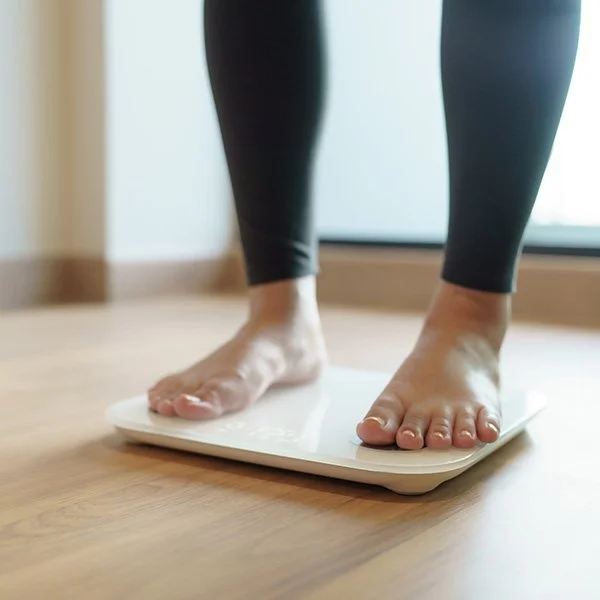
For most people we work with, the scale doesn’t necessarily feel like a relationship. It’s just… there. Part of life. Part of the bathroom. Part of the required routine.
And yet, for some people, if they really evaluated it, it’s an extremely abusive relationship.
4 Ways to Quiet Food Noise
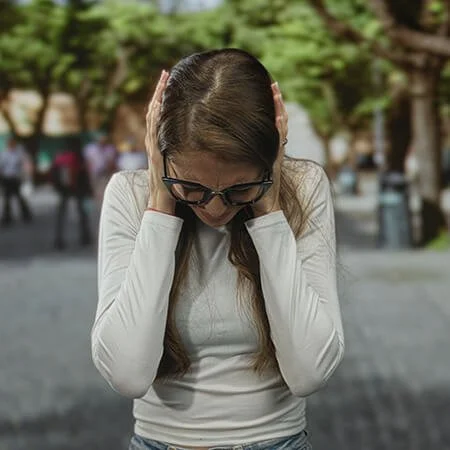
I wish I could give you a simple, black-and-white plan that, once followed, would magically make the food noise in your head disappear.

Why Is Eating So Hard, Even When I Know I Need To?
Choosing whether to eat and what to eat feels hard for many people in recovery. Learn why anxiety, nervous system stress, and decision overload can block nourishment—and how an eating disorder dietitian in St. Louis can help rebuild safety and trust with food.
Daily Eating Disorder Recovery Tools: How a Coach Bridges the Gap Between Therapy
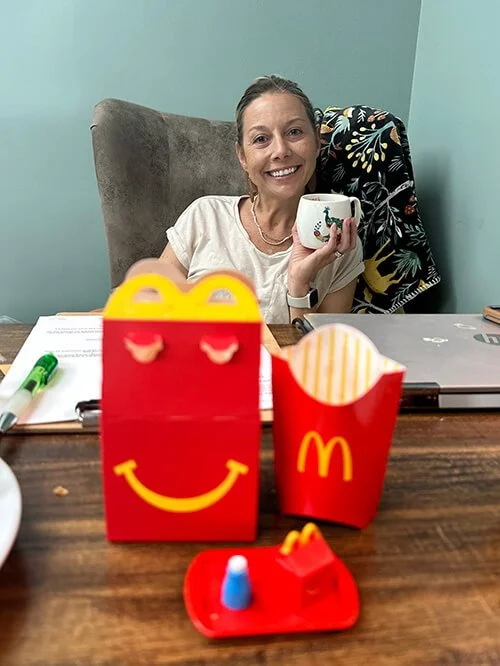
There’s so much I could say about how a recovery coach can help bridge the gap for clients struggling with eating disorders. Whether someone is seeing a therapist, working with a dietitian, or even participating in IOP, there’s often a space in between where clients still need support. Real, personal, in-the-moment support.
And that’s where coaching comes in.

If I’m Not Losing Weight When I’m Hardly Eating… Won’t I Gain a Ton if I Eat Normally?
Clients often tell me something like:
“I barely eat anything and my weight doesn’t go down. So if I start eating… won’t I just blow up? Won’t it all spiral out of control?”
It’s a completely understandable fear. And it’s also incredibly confusing.

Eating Disorders Are Dangerous: A Dietitian’s Honest Reflection
Ok guys, real talk here… Eating disorders suck. No, but like, for real.
I’ve been doing this work for almost 17 years now, and in that time, I’ve seen a lot. In my first few years as a dietitian, I thought I understood how serious eating disorders were…

Holiday Traditions Beyond the Table
Holiday gatherings are often centered around food. While this can be joyful, it’s not always accessible or comfortable for everyone. For those navigating allergies, feeding tubes, eating disorders, or sensory sensitivities, food-centered celebrations can sometimes feel isolating or overwhelming.

Occupational Balance on the Road
The upcoming holiday season can be fraught with anxiety and triggers for those who struggle with food or exercise. So we’re sharing some actionable tips from Abby Wagner, Occupational Therapy Doctoral candidate at Rockhurst University to help you maintain your recovery and focus on fun and connection this time of year.

Overcoming Fear Foods in Eating Disorder Recovery
We’ve all heard the phrase, “All foods are good foods,” right? But what about the foods that bring on panic, shame, or that instant, uncomfortable desire to spit them out the moment they hit your tongue?
Here’s the truth: it’s not actually the food that’s bad. It’s the fear tied to that food.

How to Navigate Mealtime Stress While Supporting a Loved One with an Eating Disorder
If you’ve ever sat across the table from someone you love, heart pounding, unsure of what to say (or not say), wondering if the wrong glance or word might make everything harder—you’re not alone. I like to say it feels like trying to (quietly) walk through a Lego factory while barefoot...

Family-Based Treatment Explained: A Parent’s Guide to Healing
FBT is an evidence-based treatment and recommended first line approach for children and adolescents with restrictive eating disorders in the outpatient setting. This post explains how FBT works, the level of caregiver commitment involved, and what situations it’s most suitable for.
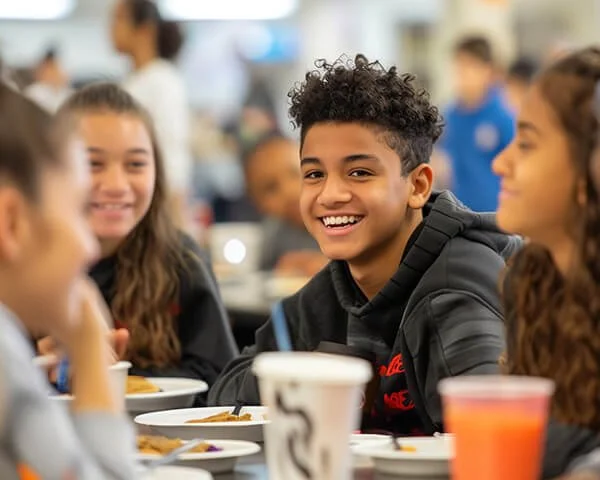
Back to School With Recovery in Mind
As the back-to-school season approaches, many parents feel a mix of excitement and anxiety. For families whose children are struggling with an eating disorder, that anxiety can run deeper. Whether your child is returning to middle or high school, starting college, or somewhere in between, your support and understanding can make a huge difference when it comes to navigating the school year.

What to Expect in Your First Session with an Eating Disorder Dietitian at Balanced Nutrition Therapy
If you’re considering meeting with an eating disorder dietitian or supporting someone who is, you might be wondering: What exactly does a dietitian do for eating disorders? Will they judge me? Will I have to get on a scale? Is this going to be like therapy?
In this post, we give you a behind-the-scenes look at what your first appointment at Balanced Nutrition Therapy will really be like.