Help for Orthorexia in St. Louis
Orthorexia: When “Healthy Eating” Starts to Feel Unhealthy
Is it possible to eat “too healthy”? Yes, absolutely.
As registered dietitians, we’re often the first to encourage eating fruits and vegetables, getting enough fiber, and including protein at meals. Those are all good things. But like many parts of nutrition, even healthy habits can become harmful when taken to extremes.
What starts as wanting to “eat clean” or “be healthy” can slowly turn into something that takes over your thoughts, your routines, and your freedom around food.
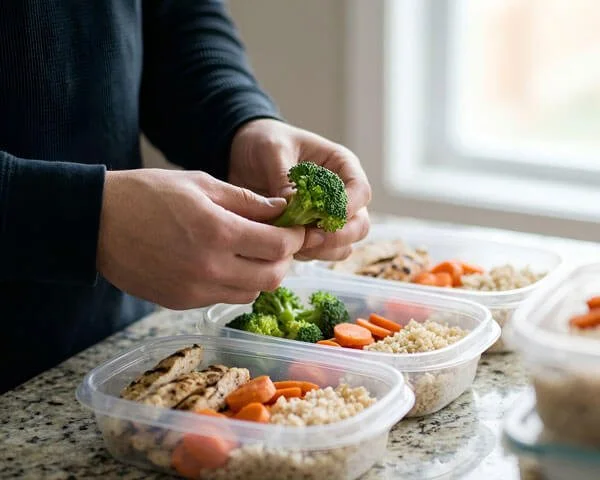
How do you know when healthy eating has gone too far?
It might sound like:
“I get anxious if I don’t know what’s in my food.”
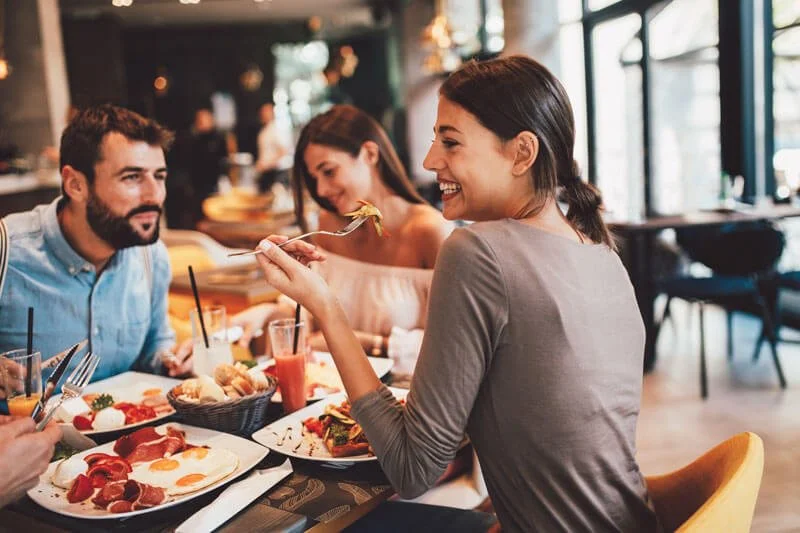
“I can’t go out to eat because I don’t trust what restaurants use.”
“I spend hours planning my meals, trying to make everything perfect.”
“If I eat something I consider unhealthy, I feel like I’ve failed.”
When food choices start controlling you, instead of the other way around, that’s a red flag. It’s one thing to care about nutrition. It’s another when that care becomes rigid, stressful, or isolating.
What Is Orthorexia?
This pattern has a name: orthorexia nervosa, often shortened to orthorexia.
Orthorexia isn’t about eating too much or too little, it’s about an obsession with eating “pure,” “clean,” or “right.” It’s not officially recognized as its own diagnosis in the DSM-5, but it shares features with other eating disorders and can lead to significant emotional and physical distress.
People struggling with orthorexia often start with good intentions such as wanting to feel well or “fuel their body.” Over time, their list of “safe” foods gets smaller, their anxiety around eating grows stronger, and social life or joy around food begins to fade.
What makes orthorexia tricky is that it often hides in plain sight. In a culture that praises discipline and “clean eating,” it can be hard to recognize when health-focused habits have crossed the line.
How Orthorexia Might Show Up
You might notice:
Feeling guilty or anxious after eating something “unhealthy”
Spending excessive time planning, researching, or tracking food
Avoiding restaurants or social events because of food fears
Relying on strict rules or rituals to feel “safe” around eating
Losing connection to hunger, fullness, or enjoyment
If this sounds familiar, you’re not alone and you have nothing to be ashamed of. Your care for your body simply became too rigid. Healing is about finding flexibility and trust again.
Recovery from orthorexia doesn’t mean giving up your values around health. It means widening the definition of what “healthy” really is.
True health includes connection, spontaneity, joy, and enough energy to live your life fully. It means being able to enjoy a salad and dessert, not because of calories or macros, but because both fit in a balanced, satisfying life.
Working with a Registered Dietitian who specializes in disordered eating can help you:
Rebuild trust with your body
Challenge rigid food rules
Loosen anxiety around eating
Find peace and flexibility in nourishment again
What Orthorexia Recovery Looks Like
How We Support People with Orthorexia
We take a whole-person, non-diagnostic-dependent approach. Here’s how we help:
1:1 Nutrition Therapy
with a specialized Eating Disorder Registered Dietitian.
Recovery Coaching
to support behavior change, motivation, and accountability between sessions.
Meal Support
and food exposures as needed. Group and individual support is available.
Collaboration with Your Treatment Team
including therapists, physicians, or other providers.
Text Support
to bridge the gaps in between sessions.
Not in St. Louis? We’ve Got You.
Our office is in Crestwood, MO, and we work with clients across the Greater St. Louis area.
We also offer virtual support in multiple states and our recovery coach is available worldwide.
Frequently Asked Questions About Orthorexia
Is orthorexia a real eating disorder?
Orthorexia doesn't have its own diagnosis in the DSM-5 yet, but the distress it causes is very real. It shares a lot with other eating disorders: rigid food rules, anxiety around eating, and a world that keeps getting smaller. You don't need an official label to deserve support.
What are the signs of orthorexia?
Common signs of orthorexia include guilt or anxiety after eating something you consider "unhealthy," hours spent researching or planning meals, a shrinking list of "safe" foods, and skipping restaurants or social plans because you can't control what's in the food. Many people also lose touch with hunger, fullness, and enjoyment. Sound familiar? You're not alone, and help is available.
Can you eat too healthy?
Yes, you can. Nutritious food is a wonderful thing, and the problem starts when eating "right" becomes rigid, stressful, or isolating. True health includes flexibility, connection, and enough energy to live your life. Any way of eating that crowds those out is costing you more than it's giving you.
What's the difference between orthorexia and anorexia?
Orthorexia centers on the quality of food: eating "pure," "clean," or "right." Anorexia centers more on not eating enough, often driven by fear and a need for control. The two can overlap, and orthorexia sometimes leads to restriction that looks a lot like anorexia. A dietitian who specializes in eating disorders can help you make sense of what's going on.
How is orthorexia treated?
Orthorexia treatment usually pairs nutrition therapy with a registered dietitian and support from a therapist. Together, we work on loosening rigid food rules, gently practicing with foods that feel scary, and rebuilding trust with your body. Our St. Louis dietitians offer 1:1 nutrition therapy, recovery coaching, meal support, and text support between sessions, both in person in Crestwood, MO and virtually.
Find Support for Orthorexia in St. Louis & Beyond
At Balanced Nutrition Therapy, our team of experienced dietitians offers compassionate, evidence-based care for orthorexia and other forms of disordered eating in person in Crestwood, MO and virtually across several states.
You deserve a relationship with food that nourishes both your body and your mind. Let’s help you find balance, joy, and ease with eating again.


Nutrition should support your life, not shrink it.
If your “healthy eating” feels more like fear than freedom, it may be time for support. Orthorexia recovery is possible, and you don’t have to face it alone.