RED-S in Athletes: Signs of Underfueling, Symptoms to Watch For, and How to Recover
What Is Relative Energy Deficiency in Sport (RED-S) and Why Does It Matter?
Relative Energy Deficiency in Sports (RED-S) is a serious, yet often overlooked, condition impacting athletes and non-athletes alike. As our body works to support exercise, our nutrient needs increase. Without changing our daily food intake to match these additional needs, we unfortunately can fall short of feeding our body what it requires to survive and thrive. This is the underlying prognosis in RED-S. When the body is in a state of low energy availability, it may begin to conserve energy by slowing or impairing important systems involved with hormonal health, bone formation, metabolism, cardiovascular function, and immunity. Over time, persistent underfueling creates the perfect mixture for decreased performance, fatigue, and disruptions in growth and hormonal health.
This state can develop gradually and is not always intentional. For many athletes, it stems from busy schedules, increased training demands, or challenges in their relationship with food and exercise. The good news is that recovery is possible. With appropriate nutrition, rest, and medical support when needed, athletes can return to training with improved health, strength, and resilience.
Which Athletes Are Most at Risk for RED-S?
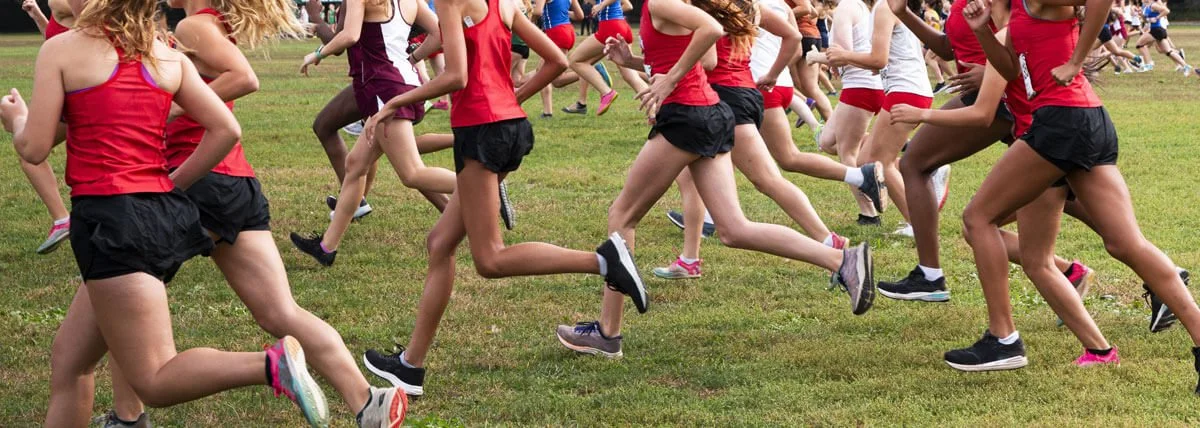
You don’t have to be an elite athlete to experience symptoms of RED-S. Those affected may be recreational athletes, adolescents, or highly competitive performers. Individuals of all genders and ages are susceptible, making awareness of warning signs important for non-biased recognition and prevention. Importantly, RED-S can occur in athletes of any body size, and someone does not need to appear underweight to experience the effects of underfueling.
But how can we know when to be on the lookout? The simple answer is all the time, but there are some seasons of life that increase our body’s energy needs which may make traditional fueling strategies fall short. These include periods of heavy competition for a sport, rapid growth during childhood and teenage years, as well as during recovery from illness or injury.
Certain sports may also be more predisposed to RED-S inducing behaviors, especially those that emphasize leanness or weight class such as gymnastics, figure skating, dance, and wrestling. Adequate fueling through consistent eating every 3-4 hours is imperative for these athletes.
It should also be noted that additional risk factors present as restrictive eating patterns, chronic dieting, busy schedules that interfere with consistent fueling, or a history of disordered eating or eating disorders.
Common Signs and Symptoms of RED-S You Might Be Overlooking
Early recognition of RED-S is important for protecting both athletic performance and long-term physical and mental health. Because the signs of underfueling are often subtle at first, many athletes may not realize their bodies are not receiving enough energy to support both training demands and everyday functioning. Additionally, not every athlete experiencing RED-S will show all of these symptoms, and individuals can experience significant health effects even when outward signs are not obvious.
Common signs and symptoms of RED-S may include:
daily fatigue
dizziness or feeling lightheaded
irritability
difficulty concentrating
frequent illness, injury, or slow recovery
stress fractures or recurring bone injuries
plateaued or declining athletic performance
GI concerns such as constipation, bloating, or stomach discomfort
missed or irregular menstrual cycles
reduced libido
delayed puberty or stalled growth in adolescents
increased anxiety around food or eating
rigid exercise patterns or difficulty taking rest days
If you are experiencing any of the above symptoms, do not worry! Many times these return to normal once you begin reintroducing enough food and rest into your routine. Our bodies are very resilient and know how to support our most vital functions in times of desperate energy need. With enough fuel, they can focus on other systems again to begin turning these mechanisms back on. Time and grace are your best friends during this transition.
How RED-S Is Diagnosed: What Athletes and Parents Should Know
There is unfortunately no gold-star test used to diagnose RED-S. Instead, diagnosis relies heavily on symptom presentation which prompts an evaluation into training and nutrition patterns. This may include looking at an athlete’s relationship with food and exercise, as well as history of injury or illness.
For females, the menstrual cycle can be a key indicator that their body is in survival mode. Our bodies are so smart! To protect our wellbeing, they shut down systems pertinent to fertility in order to reserve enough energy for exercise. Again, re-regulation of the menstrual cycle is possible with proper nutrition intervention.
For adolescents, growth charts can be a great way to evaluate if an athlete is supporting appropriate development throughout their training. Childhood is a time not only for physical growth but mental and emotional development. We want to ensure adolescents are receiving enough energy regularly to support all of these systems as they mature. Working with a pediatrician and registered dietitian can provide expert monitoring into your child’s recovery.
It is important to remember that RED-S is not diagnosed based on weight alone, and athletes experiencing significant underfueling may appear to be at a “normal” or stable body weight. Because the signs of RED-S can sometimes be subtle or mistaken for typical training fatigue, working with a knowledgeable multidisciplinary team can help support accurate identification and recovery.
How to Recover from RED-S: Nutrition, Rest, and Professional Support
Increased Energy Intake
Step one is to provide your body with the fuel it is craving! Because energy needs vary greatly based on age, body size, and training load, nutrition recommendations should be individualized; BUT the overarching goal remains the same: increase daily caloric intake. When doing so, a focus should be placed on nutrient dense meals with rich protein and carbohydrate sources, as well as frequent snacks surrounding exercise.
In adolescents specifically, nutrition needs are often higher than expected because the body requires energy not only for sport participation, but also for growth, brain development, puberty, and bone formation.
Tips for increasing intake throughout the day include:
Pack an abundance of snacks in practice bags to promote quick fueling before, during, and after exercise. Items such as pretzels, apples, granola bars, or energy chews keep well without the need for refrigeration.
Eat breakfast! Research shows a breakfast high in protein and carbohydrates leads to increased energy throughout the day and supports body function following rest. Even when working out early in the morning, having something to eat prior to exercise supports your body’s energy needs while improving performance.
Try to consume something rich in protein following exercise. This can be in the form of a shake, bar, pre-packed snack, or even your next meal.
Hydrate, hydrate, hydrate. Drink a minimum of 2 liters of water per day and include electrolytes if exercising outside in the heat.
Make friends with dietary fats! Fats are the keys that allow vitamins and minerals to be absorbed into our body. Without proper fat consumption, our hormones can become dysregulated. Adding some peanut butter, avocado, nuts/seeds, or full fat dairy to your meals can be great additions to support nutrition absorption. This can also be completed through cooking methods such as avocado oil or olive oil.
Rest and Recovery
In sport culture, rest is often viewed as something athletes must “earn.” However, research consistently shows that recovery is not separate from training, but instead a critical part of performance. During periods of rest and recovery, the body adapts to stress by repairing muscle tissue and replenishing our energy stores.
Most individuals benefit from at least 1-2 rest days per week in addition to regular recovery strategies such as stretching and stress management. Current recommendations suggest that most adults need approximately 7-9 hours of sleep per night, and adolescents generally require 8-10 hours. For athletes experiencing signs of overtraining, injury, or RED-S, additional recovery time may be necessary to allow the body to heal.
Role of Therapy
Restrictive eating patterns, skipped meals, or rigid “healthy eating” rules can make adequate fueling difficult and may require additional eating disorder-informed support. Working with a therapist can help athletes untangle complicated feelings about food, their bodies, and exercise.
For adolescent athletes, therapy can also provide support around stress and social pressures that arise in conjunction with sports performance throughout development. Because RED-S can impact both physical and emotional well-being, recovery is often most effective when approached through a collaborative care team that includes supportive family members and coaches.
When to Seek Help for RED-S: Signs It's Time to Work with a Dietitian
Recognizing when to seek support for RED-S can sometimes feel challenging, especially in environments where intense training and “pushing through” fatigue are normalized. However, seeking support early can help reduce the risk of more serious health complications and support a safer, more sustainable return to healthy training.
It may be helpful to seek professional support if an athlete is experiencing:
recurring injuries or stress fractures
missed or irregular menstrual cycles
persistent fatigue or exhaustion despite training adjustments
anxiety around food, eating, or exercise
rigid exercise behaviors or difficulty taking rest days
delayed puberty in adolescents
frequent illness, dizziness, or ongoing gastrointestinal concerns
Remember, recovery is possible, and the Dietitians at Balanced Nutrition Therapy are here to help!
Sources:
Dave, S. C., & Fisher, M. (2022). Relative energy deficiency in sport (RED - S). Current problems in pediatric and adolescent health care, 52(8), 101242. https://doi.org/10.1016/j.cppeds.2022.101242
Cabre HE, Moore SR, Smith-Ryan AE, Hackney AC. Relative Energy Deficiency in Sport (RED-S): Scientific, Clinical, and Practical Implications for the Female Athlete. Dtsch Z Sportmed. 2022;73(7):225-234. doi:10.5960/dzsm.2022.546
“Relative Energy Deficiency in Sport (REDs).” Childrenshospital.org, 2025, www.childrenshospital.org/conditions-treatments/reds.